
Open any design app, type in types of interior design styles, and the screen fills with names that sound exciting but also confusing—you’ll find resources like 30 Interior Design Styles that showcase everything from Modern to Boho to Art Deco. Modern, Contemporary, Japandi, Art Deco, Boho, Industrial, Traditional Indian, and many more all compete for attention. For someone planning a new home, a renovation, a clinic, or an office in Gujarat, picking the right direction can feel like a big exam with too many right answers.
The choice is not only about pretty photos. Different types of interior design styles change how a space works, how easy it is to maintain, how clients or guests feel, and even how much value the property can command. A Minimalist flat in Ahmedabad, a Traditional Indian bungalow in Vadodara, and an Industrial style cafe in Surat all send very different messages and support very different ways of living and working.
This guide walks through the most important and trending styles for 2026 so that every reader can see which interior design styles match their taste and their project. As Empirical Consulting Services, we work across Gujarat and across India, and our small, focused teams design everything from compact apartments to hospitals and resorts. We follow a simple square foot based fee, take no commission from vendors, and treat each client as a partner. By the end of this article, you will understand what defines each style, who it suits, and how our transparent, turnkey approach can turn that preferred look into a clear, buildable plan.
Before exploring the many types of interior design styles, it helps to have a quick map in mind. These points sum up what this guide delivers and how it supports real projects for homes and commercial spaces.
Interior design styles are like clear rule books for a space. Each style gives a framework for colours, materials, furniture shapes, lighting, layouts, and decor. Some styles come from history, like Traditional or Art Deco, while understanding Get To Know 12 of the most popular styles helps establish a foundation for making informed design decisions. Others grew from regions, such as Scandinavian or Mediterranean, and some reflect modern life, like Minimalist or Industrial.
When someone understands different types of interior design styles, it becomes far easier to explain a vision to a designer or contractor. Instead of saying they want a “nice” living room, they can say they want a calm Japandi bedroom, a bold Maximalist bar counter, or a clean Contemporary office reception. That shared language keeps every choice consistent, from flooring to handles.
Styles also affect function. A busy family in Rajkot may need more storage and tougher materials than a single professional in a studio flat. A hospital or school needs clarity and calm, while a boutique cafe may prefer drama and story. At Empirical Consulting Services, we begin with a detailed discussion about lifestyle, brand identity, climate, and budget. Then we guide clients towards styles, or blends of styles, that support daily use and long term comfort, not only good photos on the first day.
“Have nothing in your houses that you do not know to be useful or believe to be beautiful.”
— William Morris, designer and writer
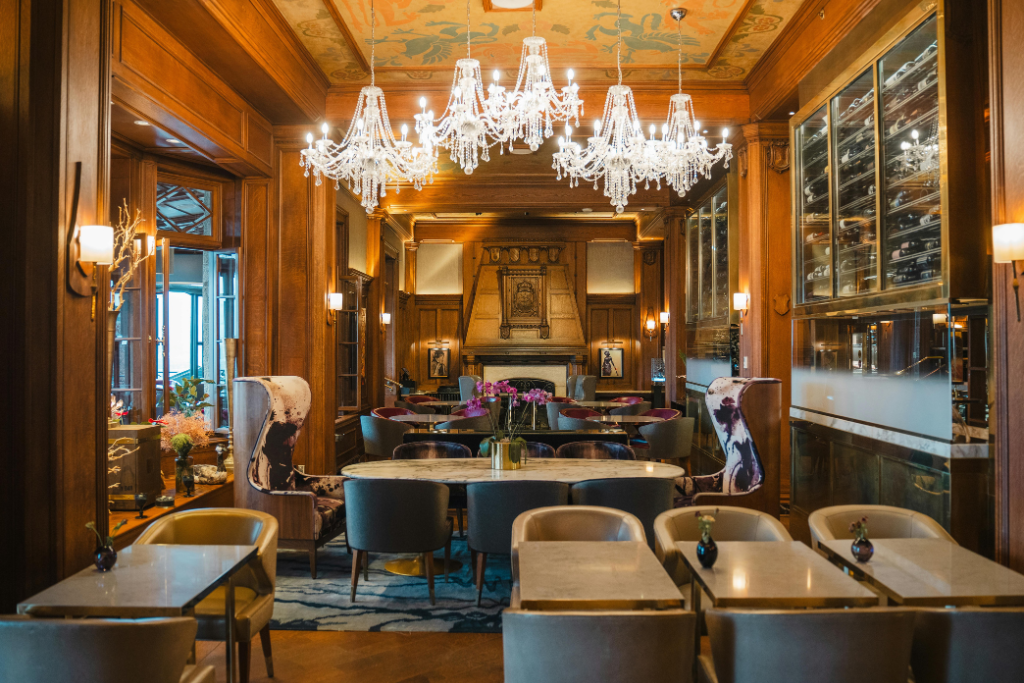
Traditional design grows from 18th and 19th century European homes, with a clear sense of order and balance. Rooms often feel formal yet warm, with furniture arranged around a focal point such as a fireplace, a carved console, or a framed painting. This style suits people who like history, classic art, and a sense of permanence in their homes or offices.
Key features usually include:
We often use Traditional design for larger homes, heritage properties, and formal commercial spaces such as law or consultancy offices, blending this classic look with modern wiring, storage, and comfort for clients across Gujarat.
Transitional design is the bridge between heavy Traditional rooms and stark Modern spaces. It takes the warmth and familiarity of classic shapes but gives them a cleaner, simpler treatment. Many clients who feel stuck between old and new find this mix both calm and refined.
In a Transitional space:
We often suggest this style for family homes and modern offices where people want elegance without heavy ornament, weaving in elements from different interior design styles without losing harmony.
Mid-Century Modern grew after the Second World War and still feels fresh in 2026. It focuses on slim, simple furniture with both straight and gentle organic lines. The goal is useful pieces that also look like art, which makes this style easy to use in living rooms, lobbies, and workspaces.
You will often see:
In our projects, we often mix Mid-Century Modern pieces with Indian materials and art so that homes in Gujarat feel current, climate friendly, and still rooted in local daily life.
Modern design refers to a clear design movement from the early to mid twentieth century, not simply whatever is popular now. Its core idea is that form follows function, so every element should have a clear role and no extra decoration. This style grew as a response to very ornate Traditional rooms, and many later interior design styles draw ideas from it.
Modern spaces often show:
We use Modern design in urban apartments, showrooms, and offices where clients want clarity and order, and we soften it with warm lighting and local textures so it still feels inviting.
“Form follows function.”
— Louis Sullivan, architect
Contemporary design is the style of now, which means it changes slowly with each decade. It borrows from Modern, Minimalist, Industrial, and other interior design styles, but it does not follow one fixed historical rule book. In 2026, Contemporary spaces lean towards simple forms, good natural light, and a quiet sense of luxury.
Common elements include:
Our team tracks current materials and finishes closely, so our clients receive homes and offices that feel current now but still age well.
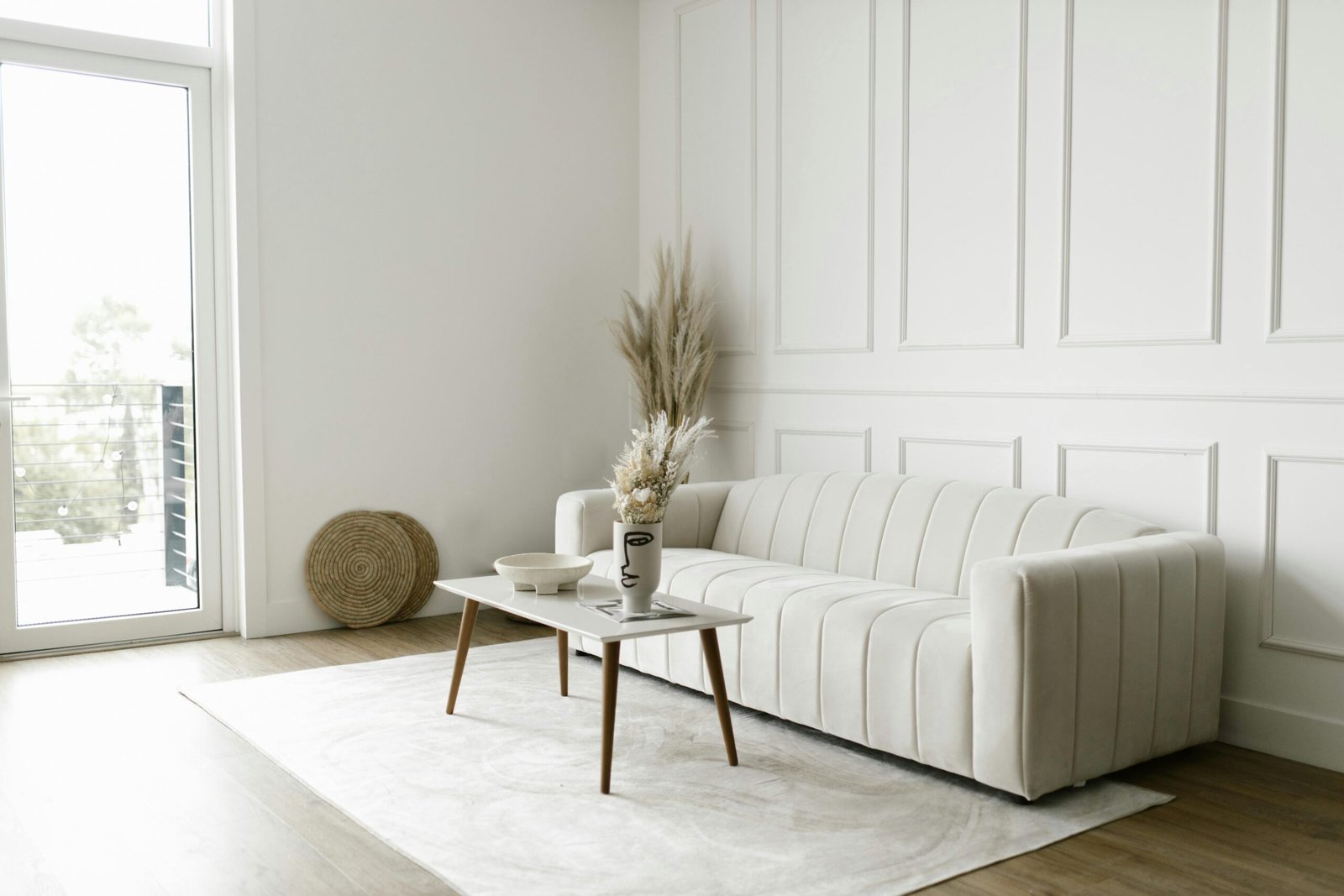
Minimalism pushes the idea of “less is more” to a clear and calm result. Instead of many objects and colours, it keeps only what is essential and meaningful. Some people think Minimalist rooms must feel empty or cold, but when planned well they feel peaceful and very practical.
Key signs of this style:
Every item has a job and a fixed place, which works well for small flats and busy households. At Empirical Consulting Services, we help clients edit what they own, plan storage smartly, and bring their personality into Minimalist designs through art, books, and a few chosen decor pieces.
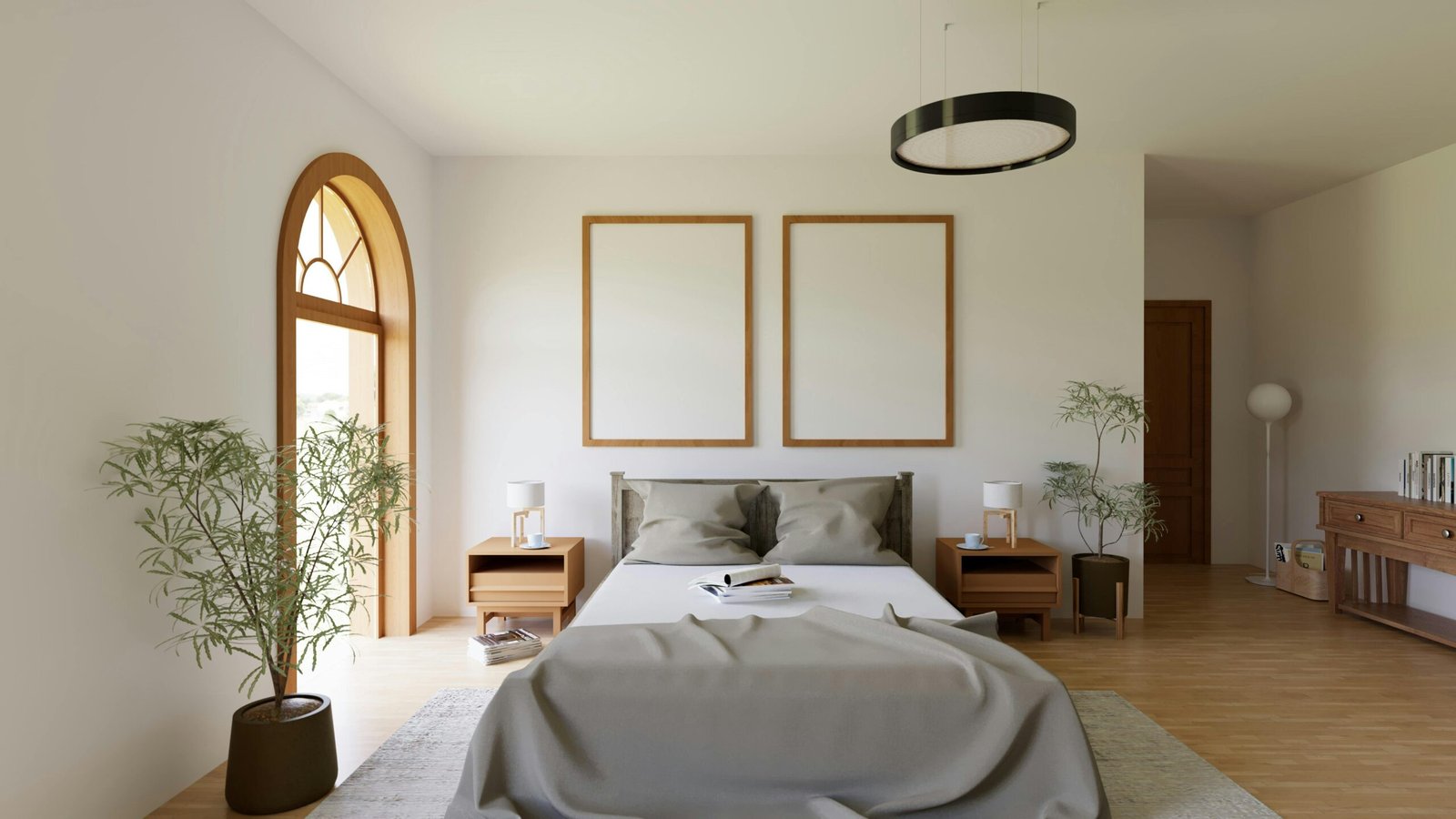
Scandinavian design comes from Nordic countries that deal with long, dark winters, so light and comfort sit at the centre of this style. It is a form of warm minimalism that values function, simple lines, and a close link to nature. Many people who like calm homes with clear layouts find this one of the most friendly interior design styles.
Scandi spaces typically feature:
We often adapt Scandi ideas for Gujarat by using similar light colours and layouts but choosing materials that handle local heat and dust better
Japandi blends Japanese and Scandinavian design ideas into one calm and refined style. Both cultures respect nature, craft, and simple living, and Japandi brings these shared values into the home. It mixes the Danish idea of hygge (cosy comfort) with the Japanese idea of wabi sabi (finding beauty in modest, imperfect things).
Typical Japandi spaces show:
Our designers enjoy using Japandi design for bedrooms, living rooms, and wellness spaces where clients want a quiet, almost spa like mood with a mix of Eastern and Western taste.
Rustic, Farmhouse, and Country House styles all echo life close to nature and older rural homes. They value comfort over polish and welcome signs of age in wood and textiles. These styles feel friendly from the first step into the room.
You will often see:
We often bring rustic touches into Gujarat homes, resorts, and restaurants through wooden ceilings, simple iron lights, and rough textures, then balance them with modern bathrooms, wiring, and cooling.
Bohemian design grew from artists and travellers who mixed objects from many places and periods. It follows very few strict rules and instead lets personal taste lead the way. For many creative people, this is one of the most enjoyable interior design styles because it encourages layers, colour, and story—in fact, The Most Popular Interior design styles on platforms like Pinterest frequently feature Bohemian aesthetics due to their visual appeal and personal expression.
A Boho room usually:
Furniture can be low and relaxed, with items like Moroccan poufs, Indian ottomans, and vintage chairs collected over time. In our projects, we guide Boho loving clients so that the mix feels collected with care rather than messy, especially in cafes, boutique hotels, and home studios.
Eclectic design also mixes different styles and eras, but it does so with more planning and editing. The aim is harmony made from contrast, where each item looks distinct yet still feels part of one story. For homeowners who own many art pieces, travel mementos, or inherited furniture, Eclectic design can bring everything together.
The key is to choose one or two unifying threads, such as:
A sleek Modern table might sit beside a carved vintage chair, and a polished metal lamp might stand on a rough wooden console, yet the room still feels balanced. Neutrals on walls or large sofas often give the eye a place to rest. Our team often helps clients map which items to group, which to refinish, and how to combine patterns so that their personal mix of interior design styles feels rich, not chaotic.
Art Deco burst forward in the 1920s and 1930s with a love for glamour, speed, and new technology. It is bold, sharp, and full of clear geometry, which makes it very different from softer Traditional rooms. People who enjoy statement spaces often fall in love with this style.
Typical Art Deco interiors use:
In Gujarat, we use Art Deco design in hotels, lounges, boutiques, and some bold homes, where it gives entry lobbies, bars, and master bedrooms a dramatic, glamorous stage.
Hollywood Regency takes glamour even further and draws from the golden age of film. It treats every room like a set where drama and luxury must stand out. This style can turn an ordinary living room or salon into a space that feels ready for photographs.
Key features include:
We use glam elements carefully in homes and boutique spaces so that they feel lush and comfortable, not tiring, pairing them with calmer background finishes when needed.
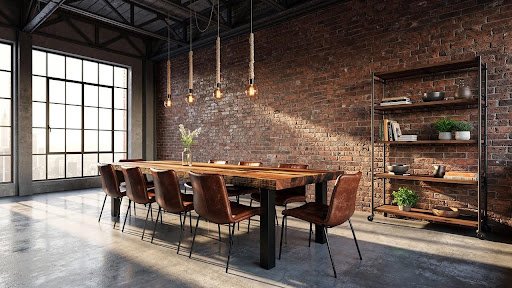
Industrial style grew when artists and young professionals began to live in old factories and warehouses during the 1960s. Instead of hiding rough structure, they justifybrick, pipes, ducts, and beams on display and turned them into design features. Over time this look became one of the more edgy interior design styles used for lofts, cafes, and coworking offices.
An Industrial space usually has:
To keep these spaces comfortable, we like to add wool throws, velvet cushions, vintage rugs, and hardy plants, while still keeping the raw structure visible. This balance works very well for modern offices, cafes, studios, and even bold living rooms across Gujarat.
Mediterranean style brings the feeling of Greek, Spanish, and Italian coastal homes into interior spaces. It aims to create relaxed rooms that stay connected to sunlight, fresh air, and the outdoors. Many resorts and farmhouses use this style to give guests a holiday mood all year.
Typical elements include:
For Indian projects, we adapt Mediterranean design by blending similar colours and textures with local stone and plants.
Coastal style takes cues from sea side homes and gives interiors a light, airy, and relaxed character. It suits people who want their home or resort to feel like a calm break from work the moment they walk in. This is one of the more gentle types of interior design styles and works well in warm climates.
Rooms typically have:
Even away from the shore, we can bring a coastal feel to city apartments or clinics with colour, texture, and a few well chosen decor pieces.
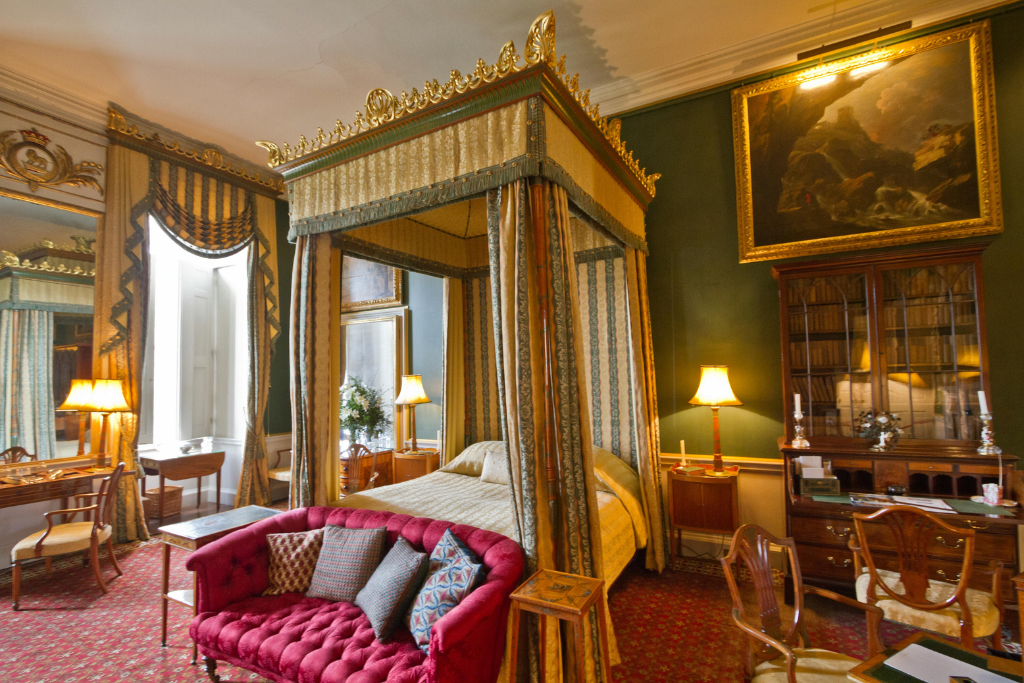
Traditional Indian interiors celebrate colour, craft, and cultural detail. They are rich, layered, and full of pattern, and they draw from centuries of regional art across the country. Among all interior design styles, this one speaks most directly to local heritage for our clients in Gujarat and across India.
Key features often include:
At Empirical Consulting Services, we know local craftsmen and material suppliers well, so we can combine this rich style with modern storage, lighting, and climate control. That way clients can honour family traditions while still enjoying the comfort and efficiency of present day living.
In 2026, several themes cut across many interior design styles and shape how new homes and commercial spaces are planned. Clients care more about health, nature, and smart technology, and design now reflects those needs clearly.
“Design is not just what it looks like and feels like. Design is how it works.”
— Steve Jobs
The table below gives a quick summary:
| Goal / Priority | Recommended Styles |
| Calm, low maintenance home | Minimalist, Scandinavian, Japandi, Soft Contemporary |
| Family home with kids or pets | Modern, Rustic, Industrial, Transitional |
| Formal office, law or finance | Traditional, Transitional |
| Trendy cafe, salon, or boutique | Industrial, Art Deco, Maximalist, Boho |
| Heritage property with character | Traditional, Traditional Indian, Art Deco |
| Compact apartment or studio | Minimalist, Scandinavian, Contemporary |
Our role at Empirical Consulting Services is to listen, ask clear questions, show visual options, and then convert that shared direction into plans and site work that match budget and time limits.
This guide has walked through more than forty important interior design styles, from quiet Minimalist rooms to bold Art Deco halls and richly layered Traditional Indian homes. Each style comes with its own history, typical materials, and best use cases, and each one can support a different way of living, working, or welcoming guests.
Understanding these styles gives homeowners, business owners, and developers a strong base for decisions. It helps align personal taste with daily habits, building type, and budget. The right mix of styles can turn a bare flat into a calm retreat, an empty shell office into a clear and focused workspace, or a simple shop into a recognisable destination, all while adding long term value.
Design trends will keep shifting, yet good planning, good proportions, and honest materials never go out of date. As Empirical Consulting Services , we stand beside clients through clear advice, careful drawings, and steady site support. Anyone planning a new build, renovation, or commercial fitout who wants to explore interior design styles in a practical way can reach out to us for a transparent consultation. Together we can define the right style mix, build a precise plan, and bring that vision into a finished space with confidence and peace of mind.


